
In the competitive business landscape of Cameroon, staying efficient isn’t just a goal—it’s a survival strategy. An Operating Management System (OMS) provides the framework to turn chaotic daily tasks into a streamlined, high-performing machine.
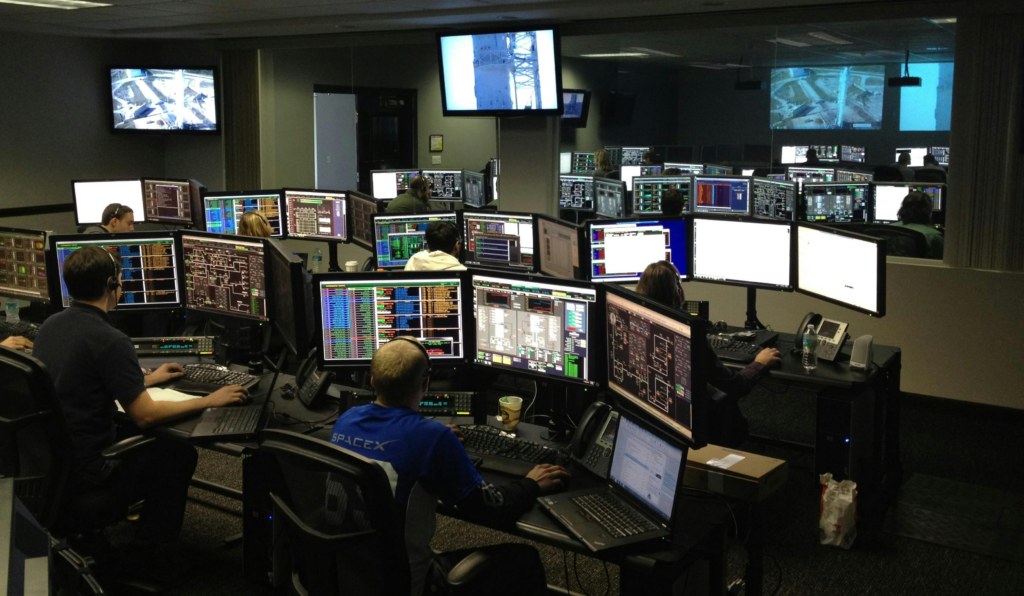
At its core, an OMS is a structured framework of processes and procedures used by a company to ensure it meets its goals consistently. Think of it as the “instruction manual” for how your business runs. It integrates various functions—like production, safety, quality control, and human resources—into one cohesive system.
Core Components:
Process Management: Standardizing how work is done to eliminate waste.
Planning & Scheduling: Aligning resources (people and machines) with market demand.
Quality Control: Setting standards to ensure products or services meet customer expectations every time.
Safety & Compliance: Ensuring the workplace follows local labor laws and international safety standards.
2. Benefits for Cameroonian Companies
For businesses in Douala, Yaoundé, and beyond, an OMS addresses specific local challenges:
Cost Efficiency: In an economy where resource costs can fluctuate, an OMS helps identify waste in raw materials and labor, directly increasing your profit margins.
Regulatory Compliance: Navigating Cameroonian labor laws and OHADA accounting standards is easier when compliance is “baked into” your daily operations.
Attracting International Partners: If you are looking to work with multinationals or export goods, having a recognized OMS (like ISO standards) proves you are a reliable, professional partner.
Improved Workforce Productivity: By providing clear roles and standardized procedures, you reduce confusion and “wait time” among employees.
Scalability: Many Cameroonian SMEs struggle to grow because the owner has to supervise everything. An OMS allows the business to run smoothly even when the boss isn’t there.
3. How Lofors Freelance Safety Can Help
Setting up an OMS can feel overwhelming, especially for smaller teams. Lofors Freelance Safety specializes in bridging the gap between “knowing you need a system” and “having a system that works.”
Their Role in Your Setup:
Diagnostic Audit: They assess your current “unwritten” ways of working to identify gaps in safety, efficiency, and compliance.
Custom System Design: Instead of a “one-size-fits-all” approach, they help design a manual and digital workflow tailored to the Cameroonian context (e.g., handling power fluctuations or specific local logistics).
HSE (Health, Safety, & Environment) Integration: Since “Safety” is in their name, they excel at building the safety component of your OMS—ensuring you avoid workplace accidents and costly government fines.
Staff Training: A system only works if the people use it. Lofors provides hands-on training to ensure your team understands and follows the new protocols.
Continuous Monitoring: They don’t just “set it and forget it.” They can help with periodic audits to ensure the system evolves as your company grows.