
The Christmas celebrations have brought joy to homes across Cameroon. Families gathered, feasted, and exchanged gifts. But as the decorations come down and life returns to normal, many households are unknowingly harboring serious safety hazards that could lead to preventable tragedies.
Every year, the days following Christmas see a spike in household accidents across our nation—from electrical fires to food poisoning, from child injuries to carbon monoxide deaths. The good news? Most of these incidents can be prevented with awareness and action.
This comprehensive safety checklist will help you identify and eliminate post-holiday dangers in your home, ensuring your family enters 2025 safely.
- Fire Safety: The Silent Threat in Your Living Room
The Reality in Cameroon
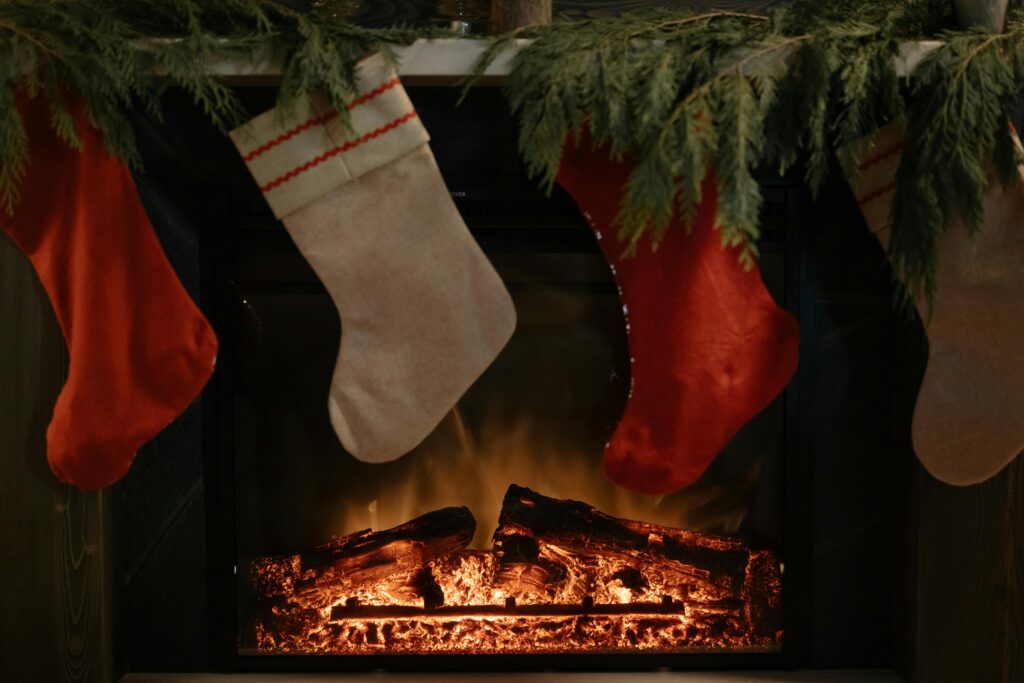
Dried Christmas trees and decorations become extremely flammable within days of the holiday. Combined with our frequent power outages that lead to increased candle use, this creates a perfect storm for residential fires. Many Cameroonian homes use multiple extension cords and adapters during the holidays, creating electrical overload risks that don’t disappear when celebrations end.
Your Action Checklist
Immediate Actions (Do Today):
- Remove all dried Christmas trees from your home. A dried tree can become fully engulfed in flames in under 30 seconds.
- Take down paper decorations, especially those near heat sources or cooking areas.
- Inspect all electrical outlets used during the holidays for scorch marks, unusual warmth, or burning smells.
- Unplug and store away all decorative lights. Check them for damage before storing.
- Clear all pathways and exits that may have been blocked by holiday furniture arrangements.
Ongoing Vigilance:
- Keep candles at least one meter away from curtains, papers, and fabrics, especially during power cuts.
- Never leave candles burning unattended or while sleeping.
- Check that your fire extinguisher is accessible and not expired. If you don’t have one, now is the time to invest.
- Ensure all family members know at least two escape routes from every room.
- Test your smoke detectors if you have them, or consider installing battery-operated ones.
Warning Signs to Watch For:
- Flickering lights when appliances are turned on
- Outlets that feel warm to the touch
- Circuit breakers that trip frequently
- Burning smell from electrical outlets or appliances
- Food Safety: Protecting Against the Invisible Danger
Why This Matters in Our Context
Cameroon’s warm climate accelerates bacterial growth in food. When we add frequent power outages that compromise refrigeration, leftover holiday foods become breeding grounds for dangerous pathogens like Salmonella, E. coli, and Staphylococcus. Food poisoning can range from mild discomfort to life-threatening conditions, especially for children, elderly family members, and those with compromised immune systems.
Your Action Checklist
Refrigerator and Freezer Assessment:
- If you experienced a power outage lasting more than 4 hours, discard all meat, poultry, fish, eggs, and dairy products that were not in a functioning cooler with ice.
- Check all leftovers for unusual odors, colors, or textures. When in doubt, throw it out.
- The “smell test” is unreliable for many dangerous bacteria, so use time guidelines: discard any cooked food left at room temperature for more than 2 hours.
- Clean your refrigerator thoroughly with soap and water, then sanitize with a bleach solution (1 tablespoon bleach per gallon of water).
Safe Food Handling Going Forward:
- Reheat all leftovers to steaming hot (at least 75°C/165°F) before eating.
- Store leftovers in shallow containers to help them cool quickly.
- Label all stored foods with dates, and consume within 3-4 days.
- During power outages, keep refrigerator doors closed as much as possible. A closed fridge can keep food cold for about 4 hours.
High-Risk Foods to Discard Immediately:
- Any meat, fish, or poultry that sat out during the feast
- Cream-based desserts or dishes older than 2 days
- Foods that show any signs of mold
- Foods in swollen or damaged containers


- Child Safety: New Toys, New Risks
The Hidden Dangers
Christmas brings an influx of new toys into homes, and with them come age-inappropriate items, small parts, and button batteries that pose serious risks. In Cameroon, many toys come from markets without proper safety certifications, increasing the danger. Additionally, new bicycles, skates, and outdoor toys mean children are playing near busy roads with increased traffic from post-holiday travel.
Your Action Checklist
Toy Safety Inspection:
- Examine every new toy for small parts that could cause choking. The rule of thumb: if it fits through a toilet paper roll, it’s a choking hazard for children under 3.
- Remove all button batteries from toys and store them in a locked container. If swallowed, these batteries can cause severe internal burns within 2 hours.
- Check for sharp edges, loose parts, or broken pieces on all toys.
- Discard excessive packaging, plastic bags, and ribbons that can cause suffocation.
- Read age recommendations on toys and store away items meant for older children.
Outdoor Play Safety:
- For new bicycles and skates, ensure children wear helmets every time they play.
- Establish clear boundaries for where children can ride, away from main roads.
- Supervise outdoor play, especially near roads with increased post-holiday traffic.
- Check that outdoor toys are assembled correctly and are stable.
Battery Safety Protocol:
- Keep all button batteries locked away in a high cabinet.
- Tape battery compartments shut on toys.
- Teach older children the danger of putting batteries in their mouths.
- Save the poison control number: In case of ingestion, seek immediate medical attention.
Warning Signs of Battery Ingestion:
- Drooling, difficulty swallowing, chest discomfort, or coughing
- Vomiting or abdominal pain
- If you suspect battery ingestion, go to the hospital immediately, do not wait for symptoms

- Road Safety: The Dangerous Journey Home
The Post-Christmas Traffic Reality
The days following Christmas see heavy traffic as people return from villages to cities like Douala, Yaoundé, Bafoussam, and Bamenda. Vehicles are often overloaded with passengers, gifts, and goods. Drivers are tired from celebrations and may be rushing to return to work. Roads are congested, patience is thin, and accidents spike dramatically.
Your Action Checklist
Before You Travel:
- Inspect your vehicle thoroughly: check tire pressure, tread depth, brakes, lights, and fluid levels.
- Don’t overload your vehicle. Extra weight affects handling, braking distance, and tire performance.
- Plan your route and departure time to avoid peak traffic hours.
- Ensure all passengers have working seatbelts and that children are properly secured.
- Pack an emergency kit: first aid supplies, flashlight, water, basic tools, and a fully charged phone.
During Travel:
- Avoid night travel if possible. Poor road lighting and tired drivers make night journeys significantly more dangerous.
- Take breaks every 2 hours on long journeys to combat fatigue.
- Maintain a safe following distance—at least 3 seconds behind the vehicle in front.
- Be extra cautious on rural roads where animals, pedestrians, and motorcycles share the road unexpectedly.
- Never use your phone while driving. If you must make a call, pull over safely.
Motorcycle Taxi Safety:
- If using motorcycle taxis (bendskin/okada) with holiday luggage, make two trips rather than overloading.
- Always wear a helmet, even for short trips.
- Ensure the driver is sober and the motorcycle appears well-maintained.
- Avoid motorcycle taxis at night when possible.
If You’re Not Traveling:
- Be extra vigilant as a pedestrian. Holiday traffic means more distracted drivers.
- Keep children away from roads where they might chase balls or toys.
- If you see an overloaded or dangerous vehicle, keep your distance.
- Generator Safety: The Silent Killer
Understanding the Danger
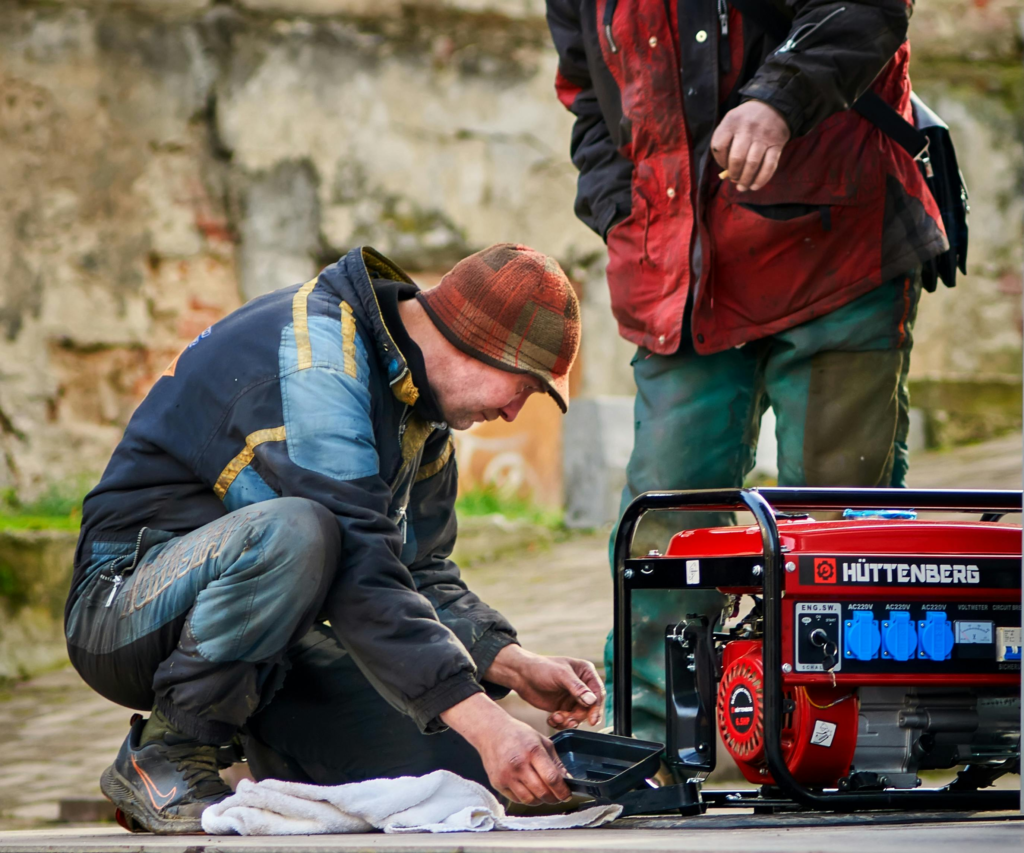
Carbon monoxide (CO) is an invisible, odorless gas produced by generators, charcoal stoves, and any fuel-burning device. In Cameroon, where power outages are common and generator use is widespread, CO poisoning is a significant but under-recognized threat. Many families unknowingly place generators too close to windows, doors, or in semi-enclosed spaces, allowing deadly gas to seep into living areas while people sleep.
Carbon monoxide poisoning can kill an entire family in their sleep without warning.
Your Action Checklist
Generator Placement (Critical):
- Place generators at least 3-5 meters away from any windows, doors, or air vents.
- NEVER operate a generator indoors, in a garage, carport, or any enclosed or semi-enclosed space, even with doors and windows open.
- Position the generator so exhaust fumes blow away from your home and neighbors’ homes.
- Ensure the generator is on a dry surface and protected from rain (but with adequate ventilation).
- Use a heavy-duty, outdoor-rated extension cord if you need to place the generator farther from the house.
Fuel Safety:
- Store gasoline in approved containers in a well-ventilated area away from living spaces.
- Never store fuel in the house, near heat sources, or in direct sunlight.
- Turn off the generator and let it cool before refueling to prevent fires.
- Keep a fire extinguisher near your generator storage area.
- Store fuel away from children’s reach and clearly label containers.
Electrical Safety:
- Never plug your generator directly into household wiring (backfeeding). This can electrocute utility workers and damage your home’s electrical system.
- Use a transfer switch installed by a qualified electrician if you want to power household circuits.
- Don’t overload the generator. Calculate your power needs and stay within the generator’s capacity.
- Keep the generator dry and protected from rain while ensuring ventilation is not compromised.
Carbon Monoxide Warning Signs:
- Headache, dizziness, weakness, nausea, or vomiting
- Chest pain or confusion
- These symptoms often affect everyone in the household simultaneously
- If you suspect CO poisoning: Get everyone outside immediately, call for help, and do not re-enter until the source is identified and fixed.
Maintenance:
- Service your generator regularly according to manufacturer guidelines.
- Check for exhaust leaks, especially at connections and joints.
- Replace worn or damaged parts immediately.
Test the generator periodically when power is on to ensure it’s functioning properly
- Additional Safety Considerations
Electrical Safety Beyond Decorations
The holiday season often means extended use of electrical appliances and devices. As you settle back into routine, address these issues:
- Unplug appliances and chargers not in use to prevent electrical fires and save energy.
- Replace any damaged electrical cords immediately; don’t use electrical tape as a permanent fix.
- Limit the use of extension cords and adapter plugs. If you need more outlets, have an electrician install them properly.
- Check all major appliances for unusual sounds, smells, or performance issues that developed during heavy holiday use.
Water and Sanitation
Holiday gatherings can strain household water and sanitation systems:
- Check for any plumbing leaks that may have developed from increased water use.
- Ensure septic systems or pit latrines are functioning properly and aren’t overfull.
- Clean and sanitize bathrooms and kitchens thoroughly after holiday gatherings.
- Dispose of garbage promptly to avoid attracting rats and other pests that spread disease.
Security Considerations
Post-holiday periods can see increased property crime:
- Don’t advertise expensive gifts by leaving boxes at the curb. Break down boxes and dispose of them discreetly.
- Reassess your home security if you received valuable items. Ensure doors and windows lock properly.
- Be cautious about sharing holiday gift information on social media.
- If you traveled, check your property for any signs of attempted entry.
Creating a Family Safety Plan
Beyond addressing immediate post-holiday hazards, use this time to establish ongoing safety practices:
Emergency Contacts
Create a list and post it where everyone can see it:
- Fire service: 118 (in major cities)
- Police: 117
- Ambulance: [local emergency number]
- Nearest hospital with emergency services
- Family doctor
- Trusted neighbor or relative
- Your safety service provider (we’re here to help!)
Family Emergency Drills
- Practice fire escape routes with all family members, including children.
- Designate a meeting point outside your home.
- Ensure everyone knows how to call for help.
- Teach older children basic first aid.
Regular Safety Checks
Make these checks part of your monthly routine:
- Test smoke detectors and replace batteries
- Inspect fire extinguishers
- Check electrical outlets and cords
- Review food storage and expiration dates
- Inspect children’s toys for damage
- Check generator placement and fuel storage
Why Professional Safety Assessment Matters
While this checklist covers major post-holiday safety concerns, every home is unique. Professional safety assessments can identify risks you might miss and provide customized solutions for your specific situation.
What a Professional Safety Assessment Includes:
- Comprehensive fire risk evaluation
- Electrical system inspection
- Generator placement and operation review
- Child safety hazard identification
- Emergency preparedness planning
- Customized recommendations for your home and family
Take Action Today
Safety isn’t about living in fear; it’s about living with awareness and taking simple, practical steps to protect what matters most. Most accidents are preventable, and prevention is always easier than dealing with the aftermath of a tragedy.
Don’t wait for an incident to happen before taking action. Use this checklist today to make your home safer for the new year ahead.
Your Next Steps:
- Print this checklist and go through each section systematically
- Involve your family in safety improvements so everyone understands the risks
- Schedule regular safety reviews to maintain awareness
- Contact a professional for a comprehensive home safety assessment
About Lofor’s freelance safety
We are Cameroon’s trusted safety experts, dedicated to protecting families and businesses through professional safety assessments, training, and solutions. With years of experience in the Cameroonian context, we understand the unique safety challenges our communities face.
Our Services Include:
- Residential safety assessments
- Fire safety training and equipment
- Workplace safety consulting
- Emergency preparedness planning
- Safety equipment supply and installation
Get in touch with us if you are ready to make your home safer?