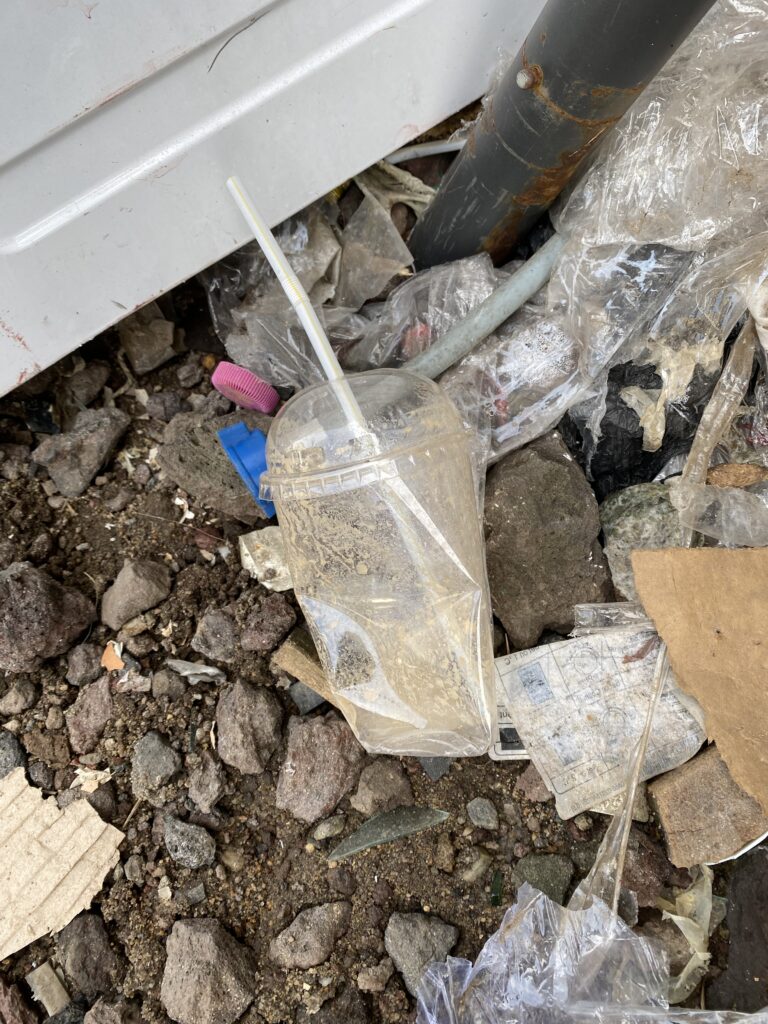
As safety professionals, our primary mission is clear: protect people. We diligently assess risks, implement controls, and foster cultures where well-being is paramount. But what happens when the very environment we live and work in becomes a significant risk factor?
The reality is, safety isn’t just about preventing immediate hazards on a job site. It’s about ensuring a sustainable, healthy future – for our workers, our communities, and the generations to come. This is where environmental stewardship, particularly tackling issues like plastic pollution, becomes an integral part of our safety mandate.
The Unseen Threat: How Plastic Pollution Impacts Safety and Health
Plastic waste isn’t just an aesthetic problem; it’s a profound public health and safety concern with far-reaching implications:
Direct Physical Hazards: From entanglement risks for wildlife (which can then affect human interaction) to sharp fragments causing injuries in public spaces, mismanaged plastics pose immediate dangers.
Chemical Leaching: As plastics degrade, they can leach harmful chemicals into soil and water, contaminating our food chain and drinking water. This exposes humans to toxins linked to various health issues.
Microplastic Ingestion: Tiny plastic particles are now found everywhere – in our air, water, and even our bodies. The long-term health effects are still being studied, but early research suggests potential inflammatory and toxicological impacts.
Ecosystem Disruption: A polluted environment is a compromised environment. This can lead to reduced biodiversity, impacting natural processes that protect us from other hazards, such as flooding or disease vectors.
Resource Depletion & Climate Change: The production of plastics relies heavily on fossil fuels, contributing to greenhouse gas emissions and climate change – a meta-threat that amplifies countless other safety risks globally.