
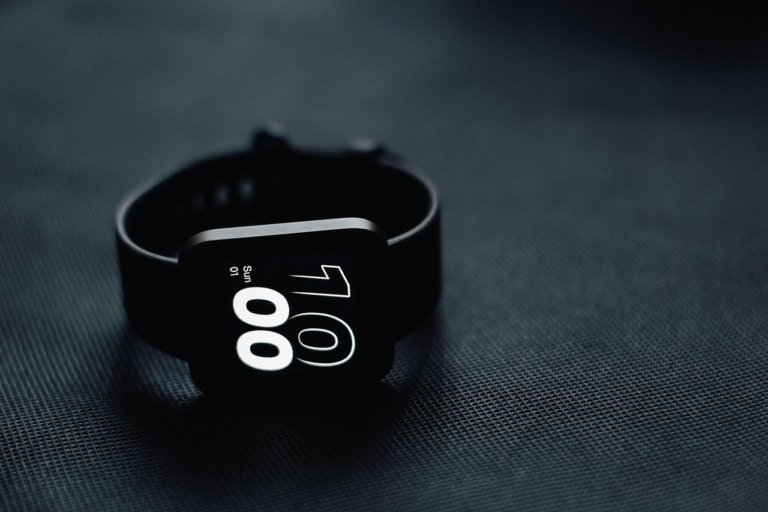
In the Gulf of Guinea, safety isn’t just a manual—it’s a lifeline. As we push toward “Oil & Gas 4.0,” many workers are surprised to find that their latest Apple Watch or Garmin is a prohibited item once they step into the Red Zone.
As a safety professional, I often get asked: “It’s just a watch, what’s the big deal?” Here is the evidence-based breakdown of why “Smart” often means “Hazardous” in hydrocarbon environments.
1. The Power Density Problem
A traditional digital watch runs on a tiny button cell. A smartwatch, however, is a high-performance computer.
The Risk: Lithium-ion batteries are prone to Thermal Runaway. If a watch is crushed or suffers a short circuit, it can reach temperatures exceeding 1,000°C in seconds.
The Evidence: In a Zone 0 or 1 area (where gas is likely present), any device that isn’t Intrinsically Safe (IS) is a potential ignition source. If it isn’t “Ex” rated, it’s a hazard.
2. The Invisible Threat: RF Interference
Smartwatches are constantly “talking” via Bluetooth, Wi-Fi, and LTE.
The Risk: These radio frequencies can interfere with sensitive platform telemetry and Emergency Shutdown (ESD) systems.
Local Context: In Cameroon, where we often operate in high-humidity and high-salt environments, signal integrity for safety sensors is already challenged. We don’t need “wrist-noise” added to the mix.
3. The “Human Factor” of Distraction
Safety is 90% focus. A vibrating notification during a critical lift or a pipe-handling operation can lead to a fatal lapse in judgment. HSE data suggests that wrist notifications cause a higher “startle response” than pocketed phones, leading to increased LTI (Lost Time Injury) risks.
The Bottom Line
Operating under the Cameroon Petroleum Code and international ATEX standards isn’t about being “anti-tech.” It’s about ensuring that every worker who goes offshore comes home in one piece.