
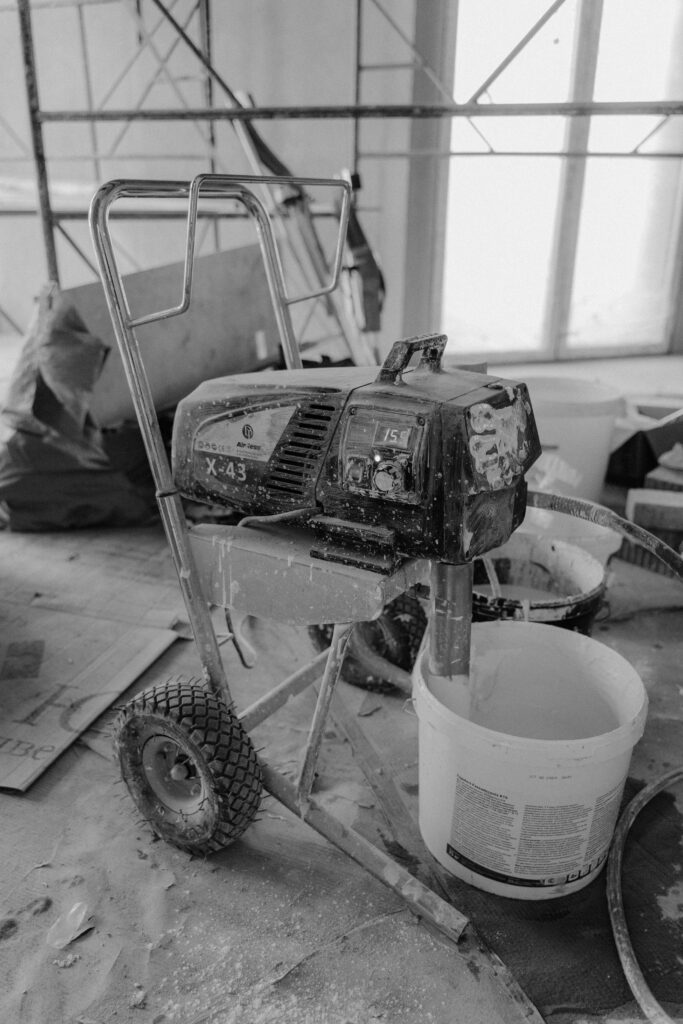
A workplace inspection is a systematic check of a work environment to find and fix hazards, ensuring safety and compliance with health and safety laws by examining equipment, processes, and practices. These proactive inspections, conducted regularly by managers, safety officers, or committees, help prevent accidents, promote a safety culture, and verify that controls are working, leading to a safer, more efficient workplace.
Objectives of workplace inspection
- Hazard Identification:Spotting unsafe conditions or practices before accidents happen.
- Risk Mitigation:Developing corrective actions to eliminate or reduce identified hazards.
- Compliance:Ensuring adherence to legal standards to avoid fines.
- Safety Culture:Demonstrating commitment to safety and encouraging employee involvement.
- Control Verification:Checking if existing safety measures (like PPE, fire extinguishers) are effective.
Inspection Process
1.Plan: Review past data (injuries, reports), use a checklist, and define a route.
2.Conduct: Walk through, identify hazards, talk to workers, and document everything.
3.Report: Document findings, causes, and recommendations.
4.Action Plan: Assign responsibility and deadlines for corrective actions
5.Follow-Up: Track corrective actions and ensure they are completed.
How Lofor’s Freelance Safety Helps Local Businesses
Small and local businesses often face the same risks as large corporations but with fewer resources. Lofor’s Freelance Safety provides professional oversight on a flexible basis:
1. Identifying “Invisible” Hazards
Business owners often become “blind” to hazards they see every day. A freelance safety expert provides a fresh, professional set of eyes to spot risks that might be overlooked, such as poor ergonomics or outdated fire extinguishers.
2. Tailored Safety Management Systems
Lofor’s freelance safety services doesn’t just give generic advice; they help implement Safety Management Systems designed specifically for your industry. This includes creating easy-to-use checklists so your team can maintain safety standards even when the consultant isn’t on-site.
3. Regulatory Compliance & Documentation
Staying up to date with health and safety laws can be overwhelming. Lofor’s freelance safety services helps ensure your business meets local and national requirements, providing the necessary documentation (like risk assessments and inspection reports) to protect you from legal liability and fines.
4. Hands-on Training & Culture
Safety is about people, not just paperwork. Lofor’s freelance safety services can provide on-demand training to ensure workers are competent in their tasks, which boosts employee morale and creates a “safety-first” culture that reduces absenteeism and accidents.
5. Cost-Effective Protection
Hiring a full-time Health and Safety (HSE) manager is expensive. By using a freelance service, local businesses get high-level expertise on an ad-hoc or project basis, ensuring they stay safe and compliant without the overhead of a permanent executive salary.