
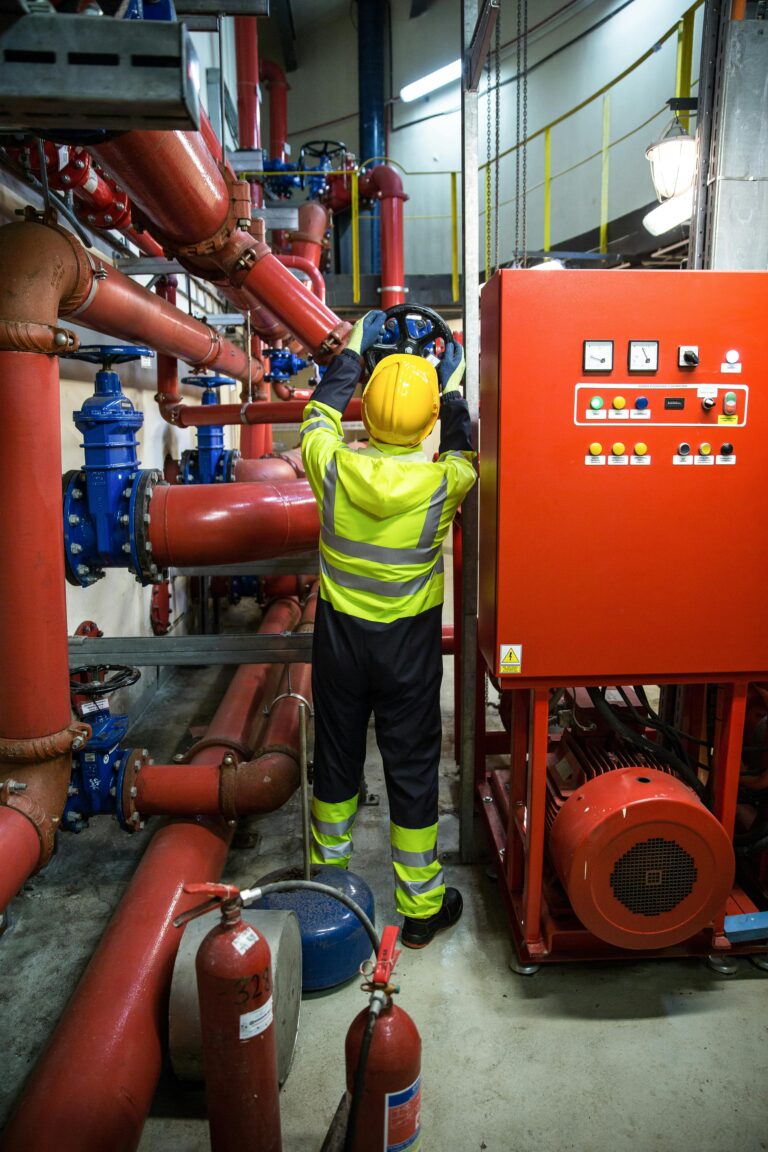
Critical safeguards (often called Critical Controls) are the specific defenses in a safety system that are essential to preventing a “Material Unwanted Event”—such as a fatality, explosion, or major environmental release.
Unlike general safety rules (like keeping a tidy desk), a critical safeguard is often the last line of defense. If it fails, the high-consequence event will occur, regardless of other safety measures.
1.Types of Critical Safeguards
Safeguards are typically categorized by where they sit in the “prevention chain.”
Category | Description | Examples |
Preventative | Stops the event from happening in the first place. | Pressure relief valves, speed limiters, guardrails. |
Detective | Identifies that a hazard is present or a failure has occurred. | Gas detectors, smoke alarms, high-temp sensors. |
Mitigative | Reduces the severity of the impact once the event starts. | Fire suppression systems, air bags, blast walls. |
2.How to Verify Critical Safeguards
Verification is the process of confirming that a safeguard is not only present but functional. In industry, this is often done using the “Three Lines of Defense” model or a dedicated Critical Control Verification (CCV) process.
- Field Level (Physical Checks)
- Visual Inspection: “Is the guardrail actually bolted down?” or “Is the fire extinguisher’s needle in the green?”
- Functional Testing: Actively triggering the safeguard to see if it works.
- Example: Testing an Emergency Stop (E-Stop) button to ensure the machine cuts power instantly.
- Example: Performing a “bump test” on a gas monitor to ensure the sensor reacts to a known concentration of gas.
- Procedural Level (Systems Checks)
- Checklists & Permitting: Using a “Lockout/Tagout” (LOTO) checklist to verify that all energy sources are isolated before maintenance.
- Radio Checks: In heavy lifting operations, verifying that communication is clear between the crane operator and the rigger before the “critical lift” begins.
- Supervisory & Audit Level (Management Checks)
- Performance Standards: Reviewing records to ensure maintenance was performed according to the manufacturer’s schedule.
- Critical Control Audits: An independent safety officer observes a high-risk task to confirm that workers are actually using the safeguards as intended, rather than using “workarounds.”
- The “Bowtie” Verification Method
Many organizations use a Bowtie Diagram to identify and verify safeguards. The center of the “knot” is the unwanted event.
- Left side: Threats leading to the event (Preventative safeguards go here).
- Right side: Consequences of the event (Mitigative safeguards go here).
To verify these, you ask:
- Is it there? (Availability)
- Does it work? (Functionality)
- Is it the right one for this specific threat? (Reliability)
Summary Checklist for Verification
If you are responsible for verifying a safeguard today, ask these four questions:
- Availability: Is the control in place right now?
- Capability: Is it designed to handle the scale of the threat?
- Reliability: Has it been maintained/tested recently?
- Understanding: Do the people using it know how it works and what to do if it fails?