
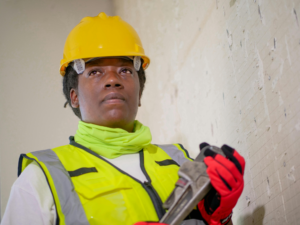

Why Visual Inspection Matters
Before using any tool or equipment, a simple visual check helps to:
- Prevent injuries and fatalities
- Avoid equipment failure
- Reduce downtime and repair costs
- Ensure compliance with safety standards
Most workplace incidents begin with ignored or unnoticed defects.
What Is Visual Inspection?
Visual inspection is a systematic check carried out to identify:
- Damage
- Wear and tear
- Missing or loose parts
- Leaks, cracks, or deformities
- Unsafe conditions
It requires no tools, takes less than a minute, and can prevent serious incidents.
What to Check: Hand Tools
Before use, inspect hand tools for:
- Cracked or broken handles
- Loose heads or components
- Rust, bends, or deformation
- Sharp edges where not intended
Damaged tools must not be used.
What to Check: Power Tools & Equipment
Ensure the following before operation:
- Cables and plugs are intact with no exposed wires
- Guards and safety devices are properly installed
- No unusual noise, vibration, or overheating
- No signs of oil, fuel, or air leaks
If unsure, stop work and report immediately.
Lifting & Access Equipment
Always verify that:
- Slings, chains, hooks, and shackles are free from damage
- Ladders and scaffolds are stable and undamaged
- Load ratings and inspection tags are visible and valid
Never exceed the safe working load.
Red Tags & Defect Reporting
When a defect is identified:
- Tag the tool or equipment as OUT OF SERVICE
- Report the issue to supervision immediately
- Remove the item from the work area where possible
Never attempt to “manage” or improvise with defective equipment.
When to Inspect
Visual inspections must be carried out:
- Before starting work
- After long periods of storage
- After repairs or modifications
- After incidents or abnormal operation
Inspection is a continuous process, not a one-time action.
Key Safety Message
No inspection means no work.
A few seconds of checking can:
- Protect lives
- Protect equipment
- Protect jobs and productivity
If it is not safe, do not proceed.
Call to Action
Make visual inspection a daily habit.
Safety is everyone’s responsibility.
Follow for more practical safety insights and awareness content.